A school-notice spot that turns paper into one clear next step
When school papers arrive through bags, inboxes, and apps, use one shared landing place and a short check to decide what needs action, by whom, and by when.
Illustrative family scenarioAn independent
parenting magazine.Baby days. School days. Everyday.
All topics / ages 5–14
Specific guides, useful explanations and practical ways to approach the questions in this part of family life.
24 articles
Search this topic →When school papers arrive through bags, inboxes, and apps, use one shared landing place and a short check to decide what needs action, by whom, and by when.
Illustrative family scenarioA small rehearsal can help a child explain what they understand, name where they got stuck, and ask a teacher for the next useful hint.
Help a middle-schooler turn a confusing assignment or comment into one clear question for a teacher, with an adult nearby when needed.
A message about participation is a starting point for a specific conversation. Ask what the school observed, what support is already in place and what small next step you can agree together.
A blank page near bedtime can turn a small assignment into a family standoff. Make a short plan that protects sleep, identifies the next doable step, and gives the teacher useful information if the work can’t be finished.
A third forgotten lunch is enough to change the morning routine, but not enough to tell you why it happened. A small handoff system can protect your child’s lunch and keep the problem from becoming a daily accusation.
Illustrative family scenarioA teacher’s report can feel jarring when it clashes with what you see at home. Slow the conversation down, ask for specific examples, and compare settings before settling on what the behavior means.
A difficult report can make a meeting feel like a defense of your child or a review of your parenting. Go in with one clear question, leave with a small shared plan, and make space for what the report doesn’t show.
When erasing turns a writing task into a torn page, help your child preserve a workable draft without demanding that mistakes feel comfortable. Agree on a small boundary, then ask what kind of help would make continuing possible.
When a nightly reading routine turns into an argument, the book can become tangled with fatigue, correction, and pressure. One family’s small change shows how to preserve reading time while giving the child a more comfortable way to take part.
Illustrative family scenarioA child’s reluctance after a school break can bring a morning to a standstill. Take the feeling seriously, separate immediate safety questions from the handoff plan, and agree with school on a specific, supported next step.
A project can creep from helping into taking over, especially when the deadline is close and the display matters to you. Make the child’s work recognizable as theirs by agreeing on what they’ll do and keeping adult help in a smaller role.
When homework directions make no sense to your child, a rushed guess can create more frustration. Help them identify the unclear phrase, try one reasonable interpretation, and write the teacher a concise question if the task still doesn’t add up.
Being cast can feel exciting until rehearsals become real. One family’s story shows how to take a child’s wish to quit seriously, ask what changed, and choose a next step that respects both their commitment and their limits.
Illustrative family scenarioA friendship argument can make the school gate feel like a decision point. Help your child choose a manageable next step without requiring a quick apology, a full account, or a cheerful reunion.
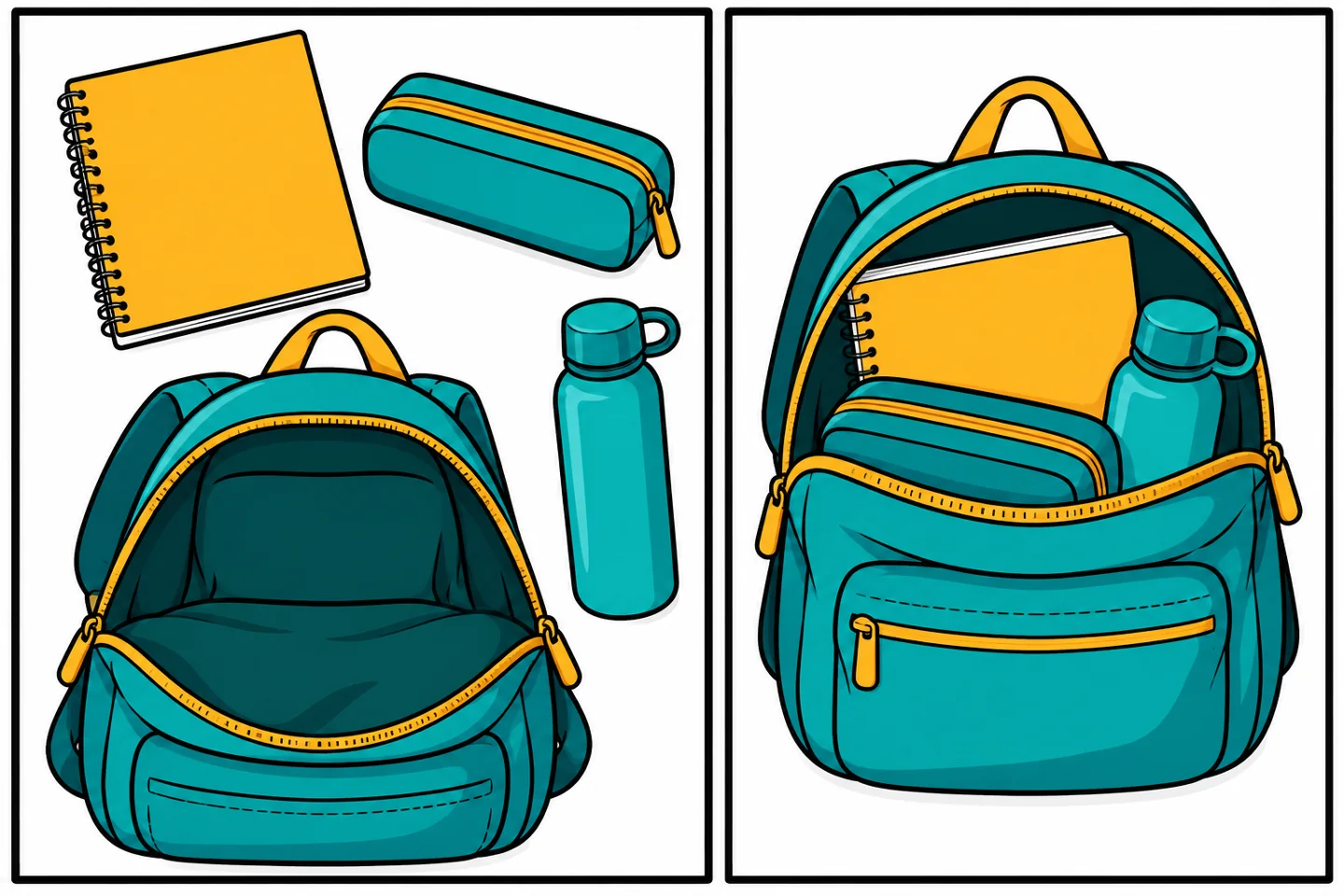
A packed school bag can become a quiet tug-of-war when you worry about missing work and your child wants responsibility. Build a visible routine that gives them support without a hidden inspection.
A hidden test can carry more than a mark: it can bring worry about your reaction, confusion about the feedback, or simple reluctance to discuss school. Begin with calm curiosity and one practical next step.
An illustrative family scenario follows a parent and child as they sort out when to question a grade, when to ask for clarification, and how to respond when the first appeal doesn't go as hoped.
Illustrative family scenarioThree school apps can scatter urgent notices, routine updates, and class details across different places. Set a simple review rhythm and a shared way to identify what needs action.
Homework can compete with a child's need to share the day's stories. Protect a workable stretch of attention while showing that their news has a place and will be heard.
A midyear move drops a child into routines and friendships already underway. Prepare a few concrete supports, keep early expectations modest, and coordinate with school staff around what the child needs to join in.
An illustrative family scenario follows a caregiver and child as they work around a late field-trip notice, check what the school can accommodate, and make a backup plan without turning the child into the messenger.
Illustrative family scenarioWhen a child doesn't understand a teacher's directions, help them name the unclear part and choose a question that feels usable in the classroom. Practice lightly, without making the child perform confidence.
A broad “How was school?” can be hard to answer after a long day. Try a question tied to one concrete moment, offer time and choice, and let a short answer remain enough.