Follow the reference
Sources & artwork
Learning resources, communication guidance, published parent accounts and a varied visual collection.
The directory below lists the references used in the current article collection. Each article identifies its sources beside the relevant points. A US or UK service mentioned in a reference is not assumed to operate everywhere.
- American Academy of Pediatrics
How to Make a Family Media Plan - CDC
Tips for Giving Directions - CDC
Tips for Relying on Routines and Rules - UNICEF
How to talk to your child’s school about bullying - UNICEF
How to communicate effectively with your young child - UNICEF
Self-care for parents - UNICEF
How play strengthens your child’s mental health - UNICEF
How to support your teen during stressful times - UNICEF
How to prepare your child for a new sibling - UNICEF
11 tips for communicating with your teen - NSPCC
Leaving your child home alone - FEMA / Ready.gov
Emergency preparedness curriculum, grades 3–5: home fire escape planning - American Speech-Language-Hearing Association
Learning More Than One Language - CDC
Early Intervention - CDC
Key Points about CDC’s Developmental Milestone Checklists - CDC
Milestones by 1 Year - Harvard Center on the Developing Child
Serve and Return - Institute of Education Sciences
Assisting Students Struggling with Mathematics: Intervention in the Elementary Grades - Institute of Education Sciences
Foundational Skills to Support Students in Kindergarten Through 3rd Grade - Institute of Education Sciences
Teaching Elementary School Students to Be Effective Writers - UNICEF
21 learning activities for babies and toddlers - UNICEF
Raising Parents: Stories from around the world - US Centers for Disease Control and Prevention
Milestones by 18 Months - U.S. Department of Education, Regional Educational Laboratory Program
Toolkit to Support Evidence-Based Writing Instruction in Grades 2 Through 4: Session 2.2, Teach Planning and Drafting - Institute of Education Sciences, Regional Educational Laboratory Mid-Atlantic
Working Together for Better Schools in Delaware - Institute of Education Sciences, Regional Educational Laboratory Northwest
Student Engagement Improvement Guide - Institute of Education Sciences, Regional Educational Laboratory Northwest
Community Context and Family Partnerships - Queen’s University Belfast
Vocabulary for reading: the power of words. A randomised controlled trial and process evaluation - Nuffield Foundation
Vocabulary for Reading: the power of words - Institute of Education Sciences, Regional Educational Laboratory West
Uplifting Student Voices: Effective Practices for Incorporating Student Experiences into Decision Making - Institute of Education Sciences, Regional Educational Laboratory Northeast & Islands
Supporting Your Student at Home: Tips for Families with Students in Elementary Grades - Frontiers in Psychology
The role of home-based math activities in developing mathematical reasoning skills in preschool children: a pilot randomized controlled trial - National Association for the Education of Young Children
Early Childhood Mathematics: Promoting Good Beginnings - Technology, Knowledge and Learning
Digital Game-Based Learning in Primary Education: A Cluster-Randomized Controlled Trial on Knowledge, Skills, and Motivation - International Journal of Technology in Teaching and Learning
Digital game-based pedagogical activities in primary education: A review of ten years’ studies - Institute of Education Sciences, Regional Educational Laboratory Central
Supporting Positive At-Home Behaviors Among Elementary Students - U.S. Department of Education
Helping Your Child with Homework - Institute of Education Sciences, What Works Clearinghouse
Providing Reading Interventions for Students in Grades 4–9 - Institute of Education Sciences, What Works Clearinghouse
Improving Reading Comprehension in Kindergarten Through 3rd Grade - National Association for the Education of Young Children
Building Social and Emotional Skills at Home - American Academy of Pediatrics
Defiant Behavior: How Play Can Help Children Cope With Change - American Academy of Pediatrics
Age-Appropriate Chores for Children - National Association for the Education of Young Children
Can I Help You? Supporting Equity, Learning, and Development by Allowing Children to Help Out - Institute of Education Sciences, What Works Clearinghouse
Organizing Instruction and Study to Improve Student Learning - Education Endowment Foundation
Metacognition and Self-Regulated Learning: Guidance Report, Second Edition - American Library Association
Tips/Resources for Parents: Encourage Your Child’s Reading - Institute of Education Sciences, Regional Educational Laboratory Program
Toolkit for Teaching K-3 Reading Comprehension: Give Students Reading Choices - Library of Congress, Teaching with Primary Sources
Information Literacy and Historical Primary Sources - Digital Inquiry Group
Intro to Lateral Reading with Reconstruction Sources - U.S. Department of Education, Charter School Center
Planning for Family Engagement in the Charter School Life Cycle: A Toolkit for School Leaders - U.S. Department of Education
Let’s Talk Back to School: Sample Questions Parents and Families Can Ask to Partner with Your Child’s Teachers and School - UNICEF North Macedonia
Returning to Learn: Former Students Become Wiser Parents - UNICEF Asia Pacific
Positive parenting tips for children aged 6–10 - Common Core State Standards Initiative
Grade 2 Measurement & Data: Tell and write time to the nearest five minutes - Common Core State Standards Initiative
Grade 2 Measurement & Data: Measure the length of an object using appropriate tools - Developmental Science
Relations Between Parents’ Math Anxiety and Children’s Math Learning: The Role of Homework Help - Institute of Education Sciences, What Works Clearinghouse
Assisting Students Struggling with Mathematics: Intervention in the Elementary Grades - Institute of Education Sciences, Regional Educational Laboratory Pacific
Toolkit of Resources for Engaging Families and the Community as Partners in Education: Part 1 - U.S. Department of Education
Let’s Talk Back to School: Sample Questions Parents and Families Can Ask to Partner with Your Child’s Teachers and School - Common Core State Standards Initiative
Grade 3 Operations & Algebraic Thinking: Multiplication and arrays - British Journal of Developmental Psychology / Wiley
Early socioeconomic deprivation, the preschool home learning environment, and language and literacy skills in ethnically diverse school children - Born in Bradford
BiB Family Cohort - NASA Science
Moon Observation Journal - NASA Science
Moon Phases - NASA Jet Propulsion Laboratory Education
Observing the Moon — Science Lesson - NASA Science
Eclipse Viewing Safety
Photographic scenes & editorial art
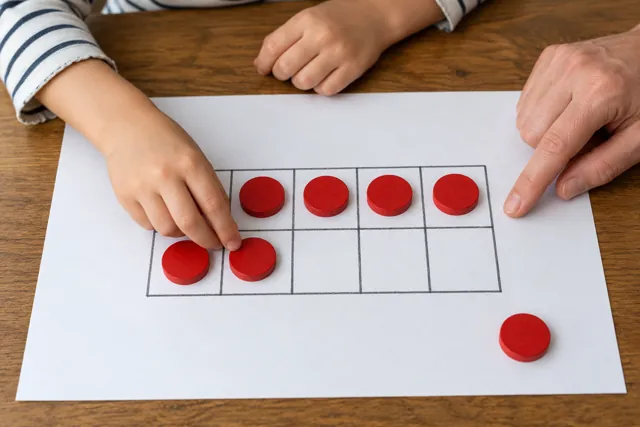
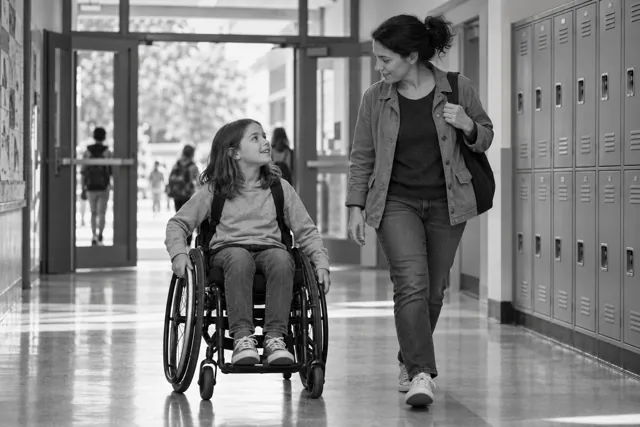
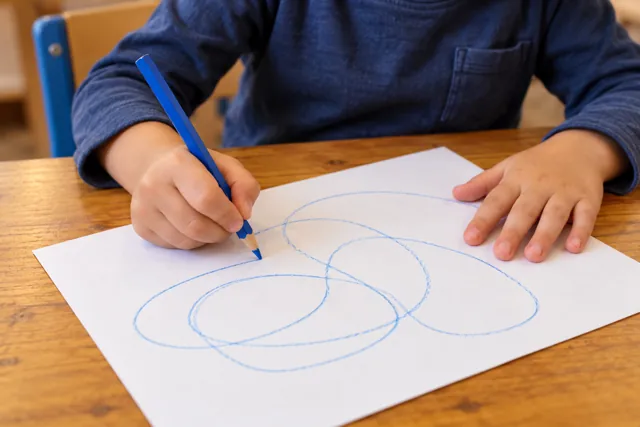
The photographic scenes and artworks shown here were created for Zolls using AI image generation. The people are imagined models. These images do not depict the real parents whose published accounts we discuss. The collection includes photographic scenes, still lifes, monochrome photography, ink sketches, risograph, paper collage, a paper model, a botanical study, a wordless print and linocut.



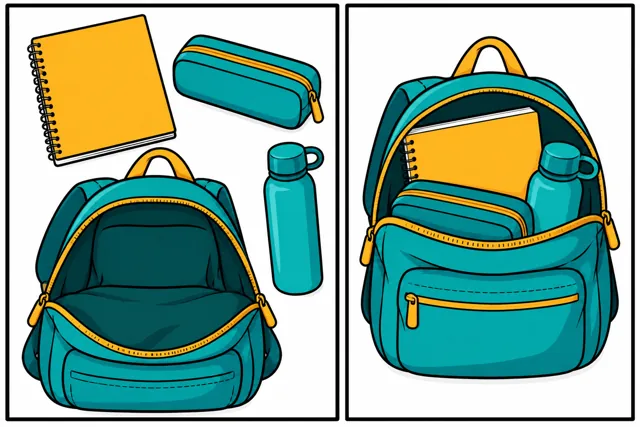

Original teaching diagrams
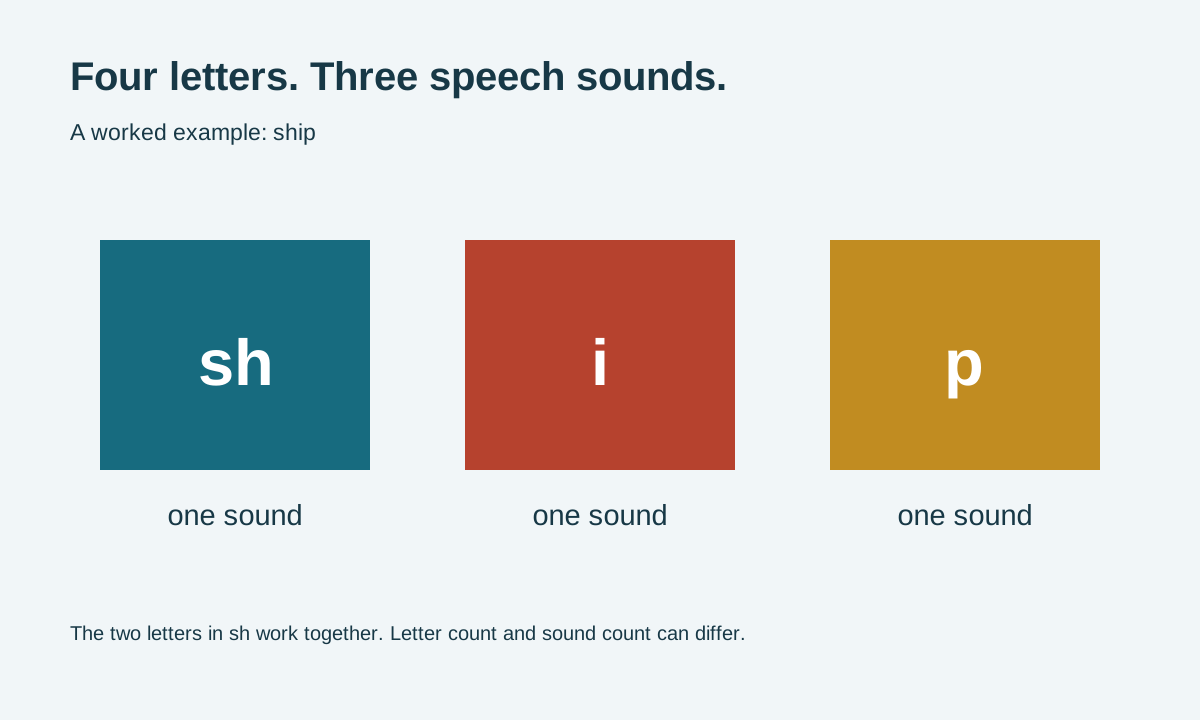
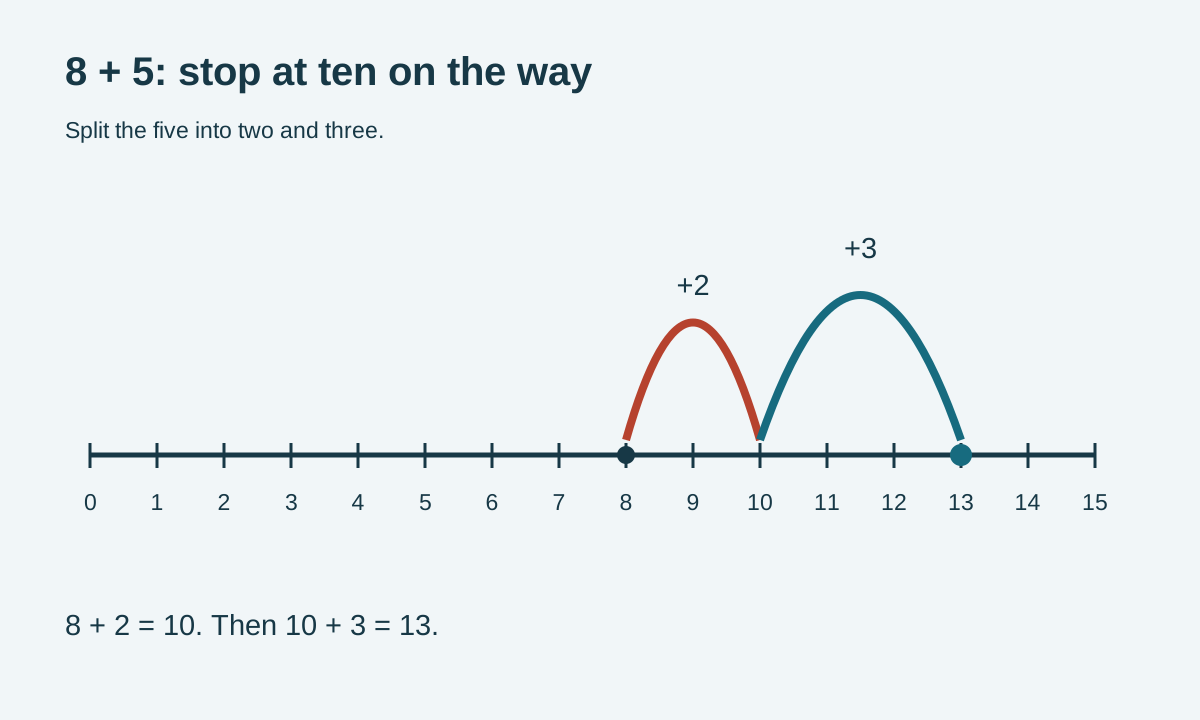
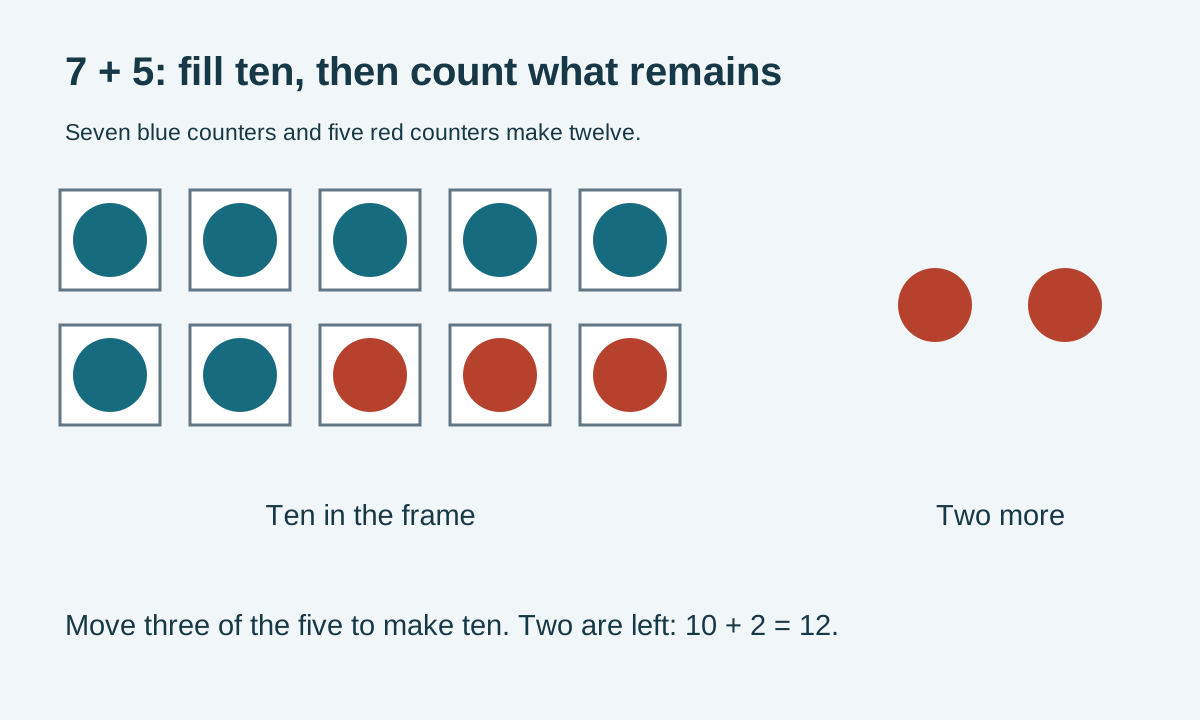
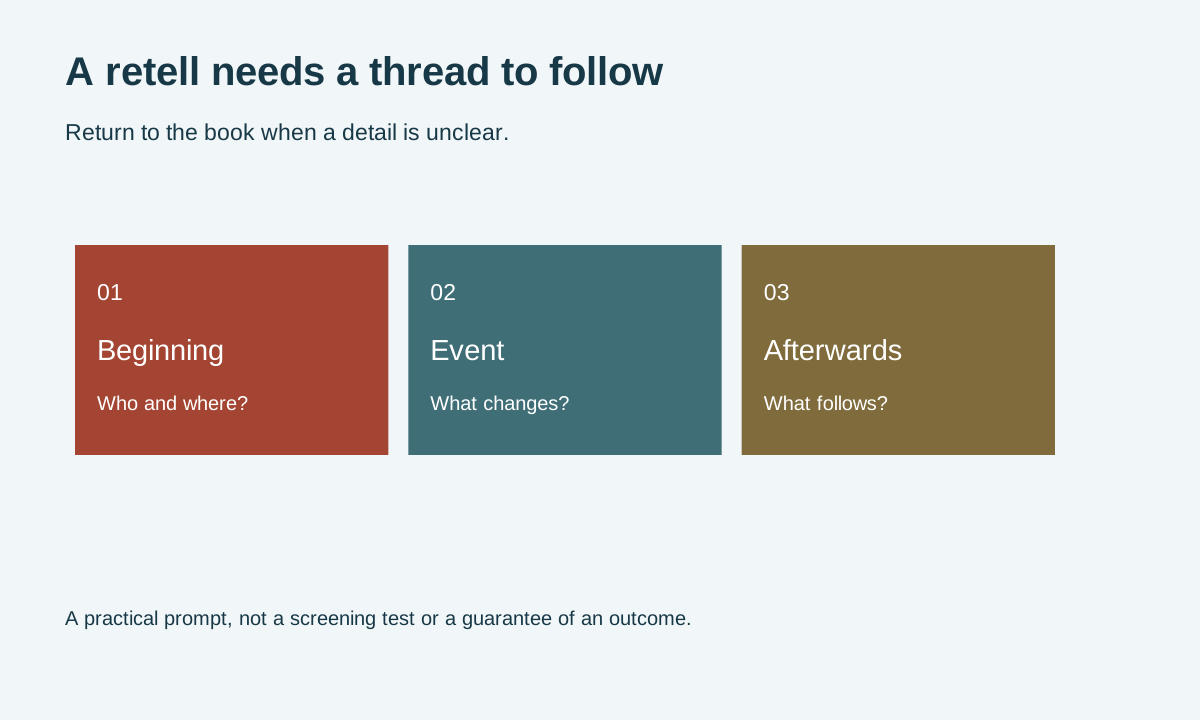
The 4 diagrams shown here belong to the current guide collection. The school exercises use the exact examples explained in their articles.
The earlier illustration collection
The four original family illustrations remain in selected earlier articles. Their use has been reduced so that one scene no longer stands in for a large run of different subjects.
Source checks and edition date: October 30, 2026.