The shoes are still missing and school starts in twenty minutes
When shoes vanish just before school, a short search can protect the morning without turning it into a blame session. Decide where to look, when to stop, and what the backup plan is.
An independent
parenting magazine.Baby days. School days. Everyday.
All topics / ages 2–10
Specific guides, useful explanations and practical ways to approach the questions in this part of family life.
20 articles
Search this topic →When shoes vanish just before school, a short search can protect the morning without turning it into a blame session. Decide where to look, when to stop, and what the backup plan is.
One bathroom can become the morning bottleneck even when everyone is trying. A family can reduce the pileup by deciding which tasks need the room, what can move elsewhere, and how to recover when the order slips.
Illustrative family scenarioA zipper can be a tiny task with a large deadline attached. Keep the child’s chance to try, make the stuck part visible, and decide ahead of time how you’ll help if time runs short.
Leaving the playground can bring a child’s disappointment into the open, right when an adult is watching the time. A clear warning, a limited choice, and a nearby safety boundary can help you leave without making carrying the default.
A hungry child arriving home can eat through the meal you had planned before you’ve finished setting it out. A filling, bounded snack and a realistic dinner adjustment can make the gap easier to manage.
When a preschooler has stopped napping but still needs a gentler afternoon, quiet time can offer a pause without requiring sleep. Keep the boundary short and flexible, then adjust the setup if the child can’t settle.
Illustrative family scenarioChildren can handle two bedtime styles more easily when the essential boundaries stay clear. Agree on the few points that matter, then let each parent keep their own reasonable way of getting there.
A repeated water request can leave a tired parent unsure whether to set a limit or keep returning. Make water available before settling, respond once without a long exchange, and adapt the plan if thirst or discomfort continues.
A night-shift schedule can put a parent’s waking hours out of step with school, meals, and bedtime. Choose a small dependable point of connection, protect the worker’s sleep, and explain changes in terms a child can follow.
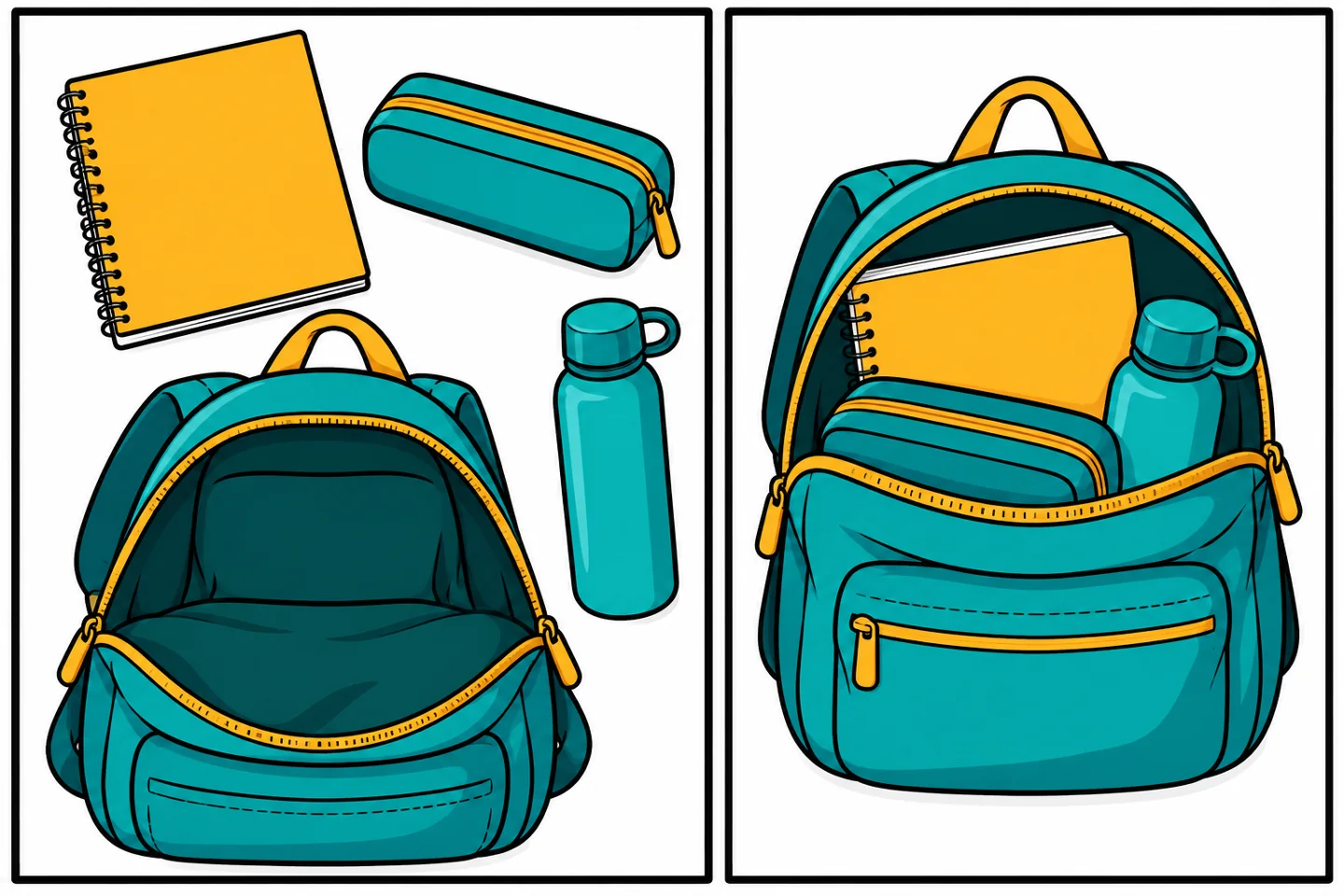
A Sunday bag check can give a seven-year-old a real role in preparing for school, as long as the task is visible and an adult still checks what the child can’t verify. Start with a short list and adjust it after a forgotten item.
Illustrative family scenarioGetting dressed can become a tug-of-war when a child accepts help from only one caregiver. Keep the morning moving while making room for preference, practice, and a calm handoff.
When siblings share a small room, bedtime tasks can interrupt one another. Build an evening sequence around the space you have, with quiet choices and a clear plan for staggered settling.
A schedule that once helped can fade into the background as it becomes familiar or stops matching the day. Make one small part useful again by checking its timing, visibility, and fit.
A tight pickup-to-call window can ask a parent and a young child to switch gears at once. A brief illustrative scenario shows how to protect the call while making the transition more workable.
Illustrative family scenarioStopping play is harder when a Lego creation feels unfinished and fragile. Protect the project, set a real departure boundary, and agree on a simple way to resume later.
Different pickup days can leave a child unsure who will be waiting and what happens next. Make the handoff visible and predictable while giving grandparents room for their own relationship with the child.
Rain can turn a familiar school walk into a scramble over wet clothes, slow steps, and a changed route. Keep the essential transition simple and adjust the plan to the weather and your child.
A bag that gets unpacked at the door can stall an already rushed departure. In this illustrative scenario, a parent changes what stays accessible and gives the child a clear last check.
Illustrative family scenarioWhen one adult passes the school-morning routine to another, vague reminders can turn into a rushed list at the door. Agree on the essential handoff and leave space for the next caregiver’s own rhythm.
A weekday routine depends on fixed times and familiar transitions that Saturday may not share. Keep the parts that help while changing the pieces that no longer fit the day.