When a child uses more than one language, a useful communication record includes every language the child hears and uses—not only the language used at school or in a clinic.
Count communication across the child’s languages
A word or phrase may be used in one language with one person and another language elsewhere. The American Speech-Language-Hearing Association (ASHA) explains that children may use different languages by setting, topic, or speaker, and that some children use one language more at a given time. This can change as their exposure and opportunities change. [1]
When noting a new word, record the word as the child uses it, its language, what it referred to, and the context. Include meaningful words in each language, as well as signs or other communication the child uses. A phrase made from words in two languages can still show that the child is communicating; language mixing is expected for children learning multiple languages. [1]
Avoid translating every example into an English-only tally and then treating that as the whole picture. A translated word may help a professional understand the meaning, but keep the original form and language too. The aim is to describe what the child communicates and where, not to assign a score.
Keep the languages that matter at home
Speak with your child in the language or languages you are most comfortable using. ASHA advises families to use their languages often and says multilingualism does not cause speech or language delay. Consistent, rich communication in a comfortable language gives the child opportunities to hear and practice that language. [1]
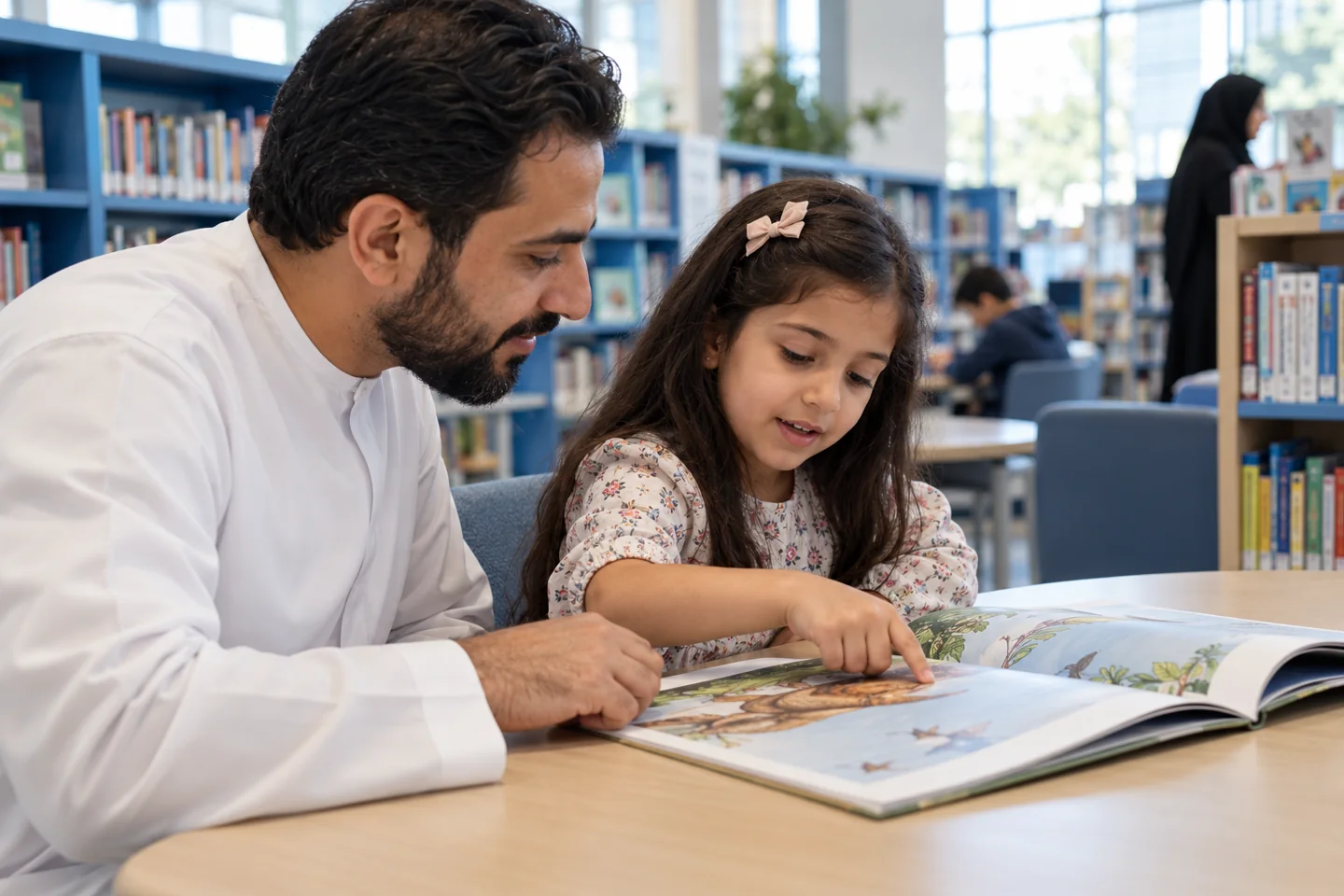
Everyday routines provide natural practice: name food during a meal, describe what is happening while getting dressed, sing a familiar song, or share a picture book. A caregiver can use one language and another caregiver a different one; the child can also hear languages at school or in the community. There is no need to make every adult use the same language.
If a child replies in a different language from the one an adult used, the exchange can continue. Respond to the meaning, and, when it feels natural, model a word or phrase in the language you are using. Avoid turning ordinary conversation into repeated correction.
Make observations useful to a professional
A clear example includes the child’s exact communication, the language, who was present, and what the child seemed to mean. Note whether the child used a sound, word, phrase, gesture, or sign, and whether the example happened spontaneously or after a prompt. A few concrete observations can be more useful than a broad label such as “talks well” or “has no words.”
ASHA states that when a child has a communication issue, it will show up in all the languages the child uses. If there is a concern, speak with a speech-language pathologist (SLP), who can help consider whether support is needed. Share the child’s language exposure and examples from each language; do not assume a difficulty in one language alone explains the whole picture. [1]
Do not wait for a large collection of notes before asking for guidance. If the child has lost a skill or you have another developmental concern, contact the child’s doctor promptly. In the United States, the CDC advises families to contact their state or territory early intervention program for children under 3; for children age 3 or older, families can ask a local public elementary school about an evaluation even if the child is not enrolled there. An evaluation determines eligibility; services are not guaranteed. [2]
Separate language exposure from concern
A child may have more chances to practice one language than another, or may become more talkative in a new setting over time. Record who speaks which language with the child, where the child hears each language, and which activities offer chances to respond. This context helps explain why a child’s vocabulary or comfort may differ by language or setting.
A comparison across languages should focus on communication, not a requirement that each language look identical. A child might name a familiar object in one language and use a gesture or a different word in another. Bring these observations to a qualified professional if they concern you; the record is a starting point for discussion, not a diagnostic tool.
A caregiver’s comfort matters. If adults drop a language they use naturally because they fear confusion, the child may lose everyday opportunities to communicate with those speakers. ASHA supports maintaining the languages used by the family and community. [1]
Make room for change
Language use can shift as a child enters childcare, spends more time with relatives, or encounters new topics. A child who uses one language frequently in one period may use another more often later. Keep the record current rather than assuming the present pattern will remain fixed.
Books, songs, conversation, and play can all provide chances to hear and use multiple languages. Picture books can be discussed in more than one language; a familiar song can be followed by a conversation about what the child noticed. These are opportunities for communication, not exercises that must produce a particular word.
If you are concerned, describe what you observe in every language and ask for an assessment or guidance. Continue communicating in the languages that are natural to the family while you seek help.
References
Sources for the cited guidance and reported material. Worked examples and practical tools are original to Zolls.
- American Speech-Language-Hearing Association. Learning More Than One Language.
- CDC. Early Intervention.